Sanskar Kendra
- Typology conservation, adaptive reuse
- Area 25,000 sq. ft
- Year 2018
In collaboration with ITAHAAS
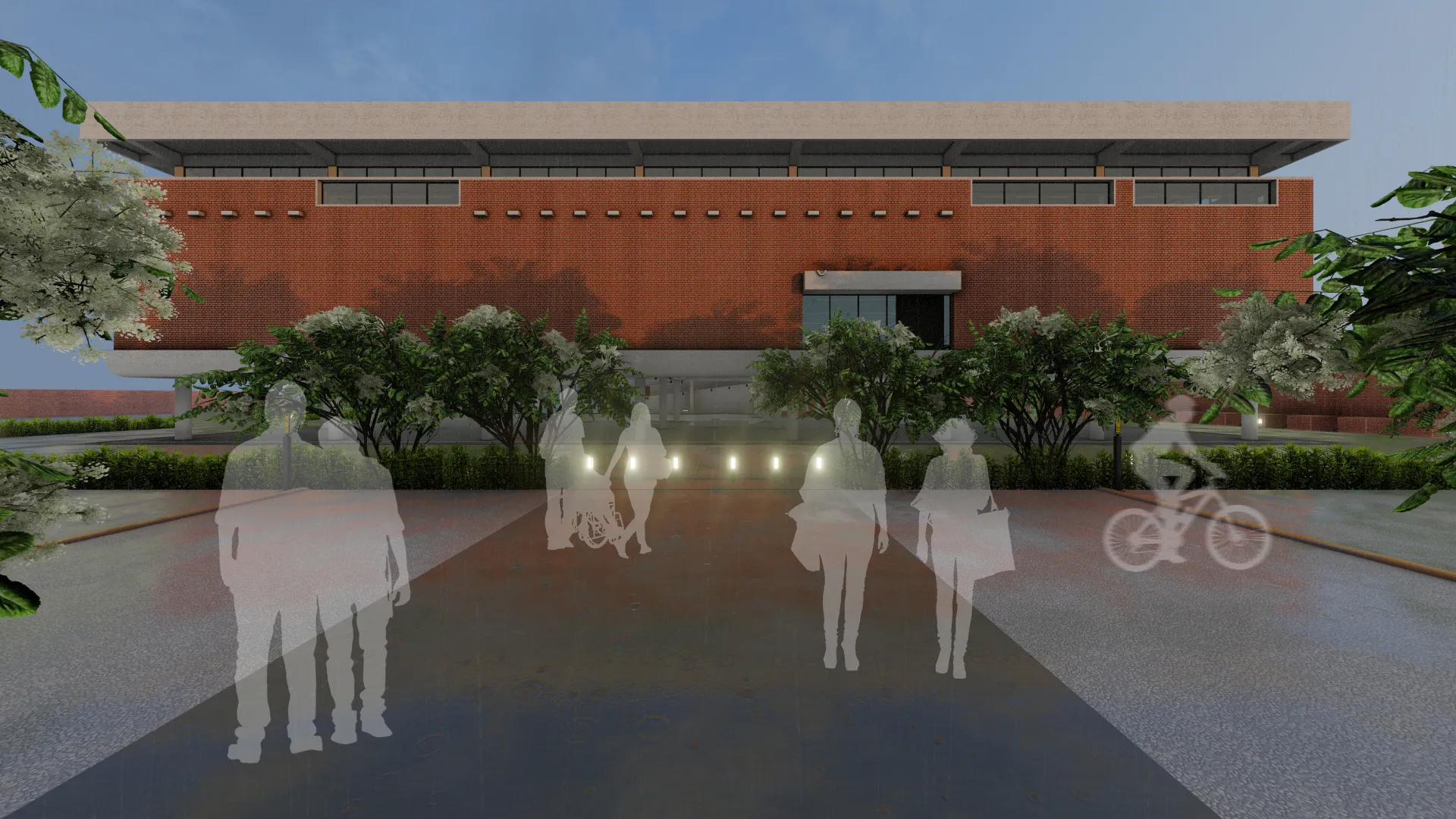
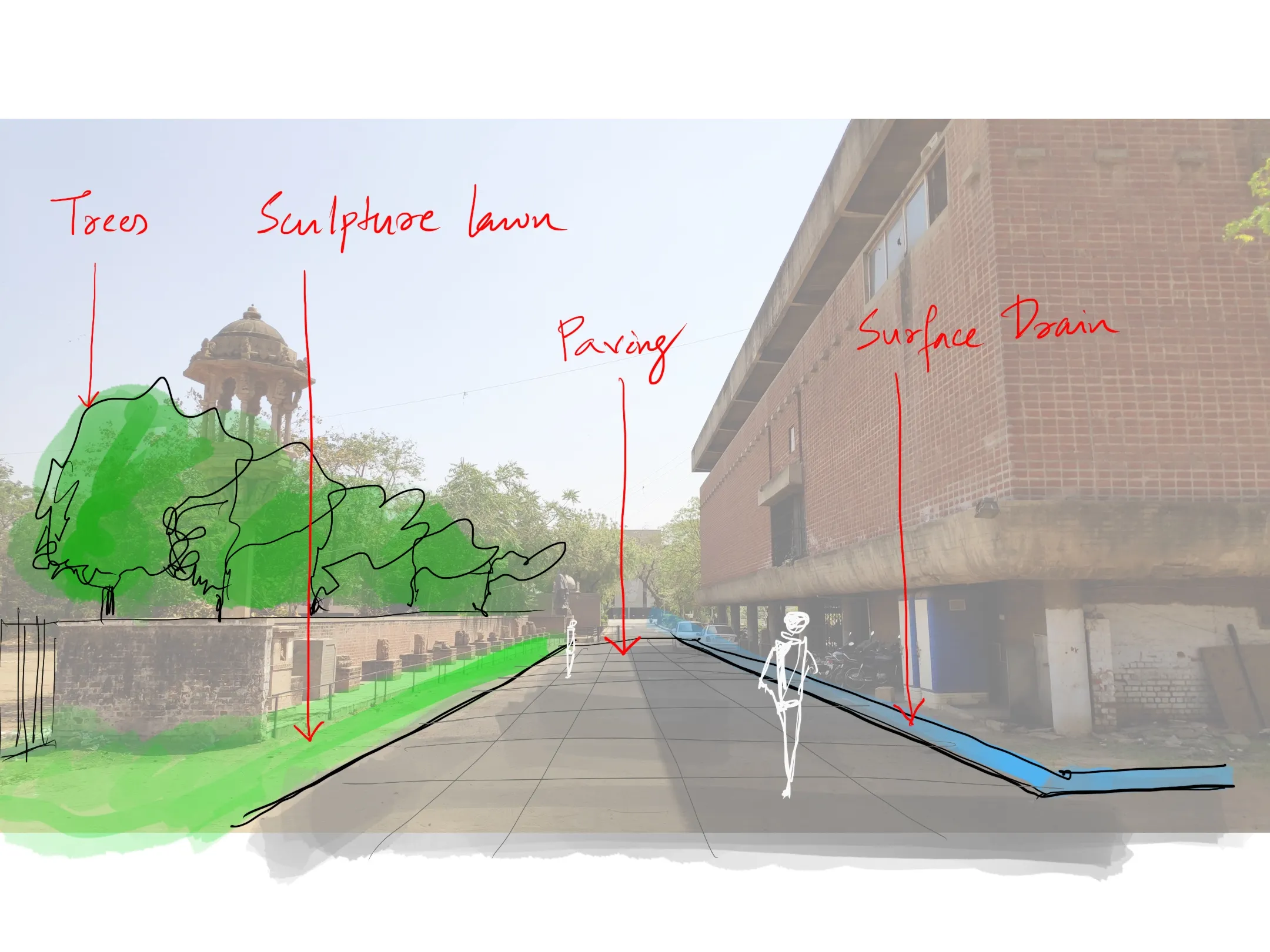
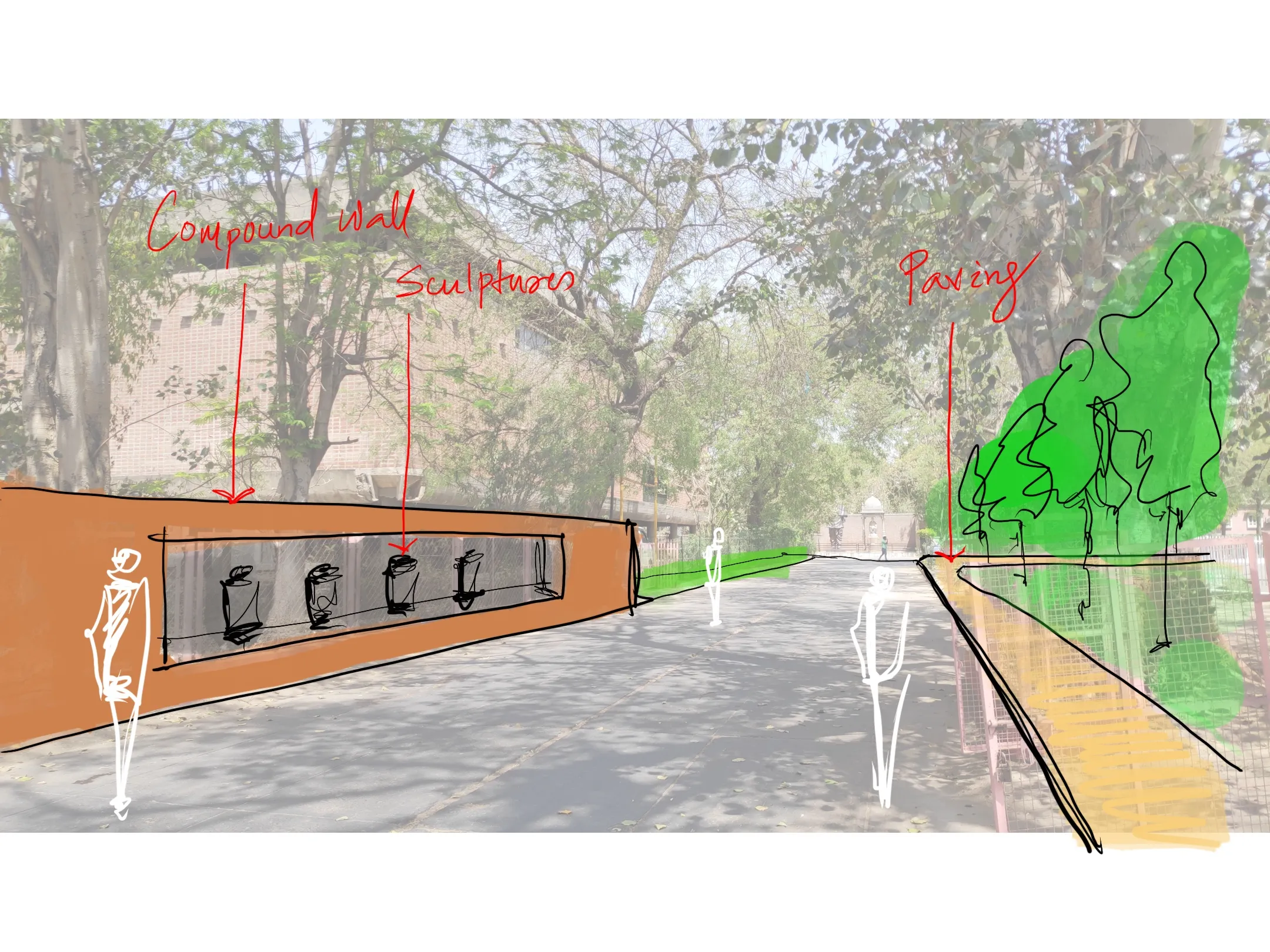
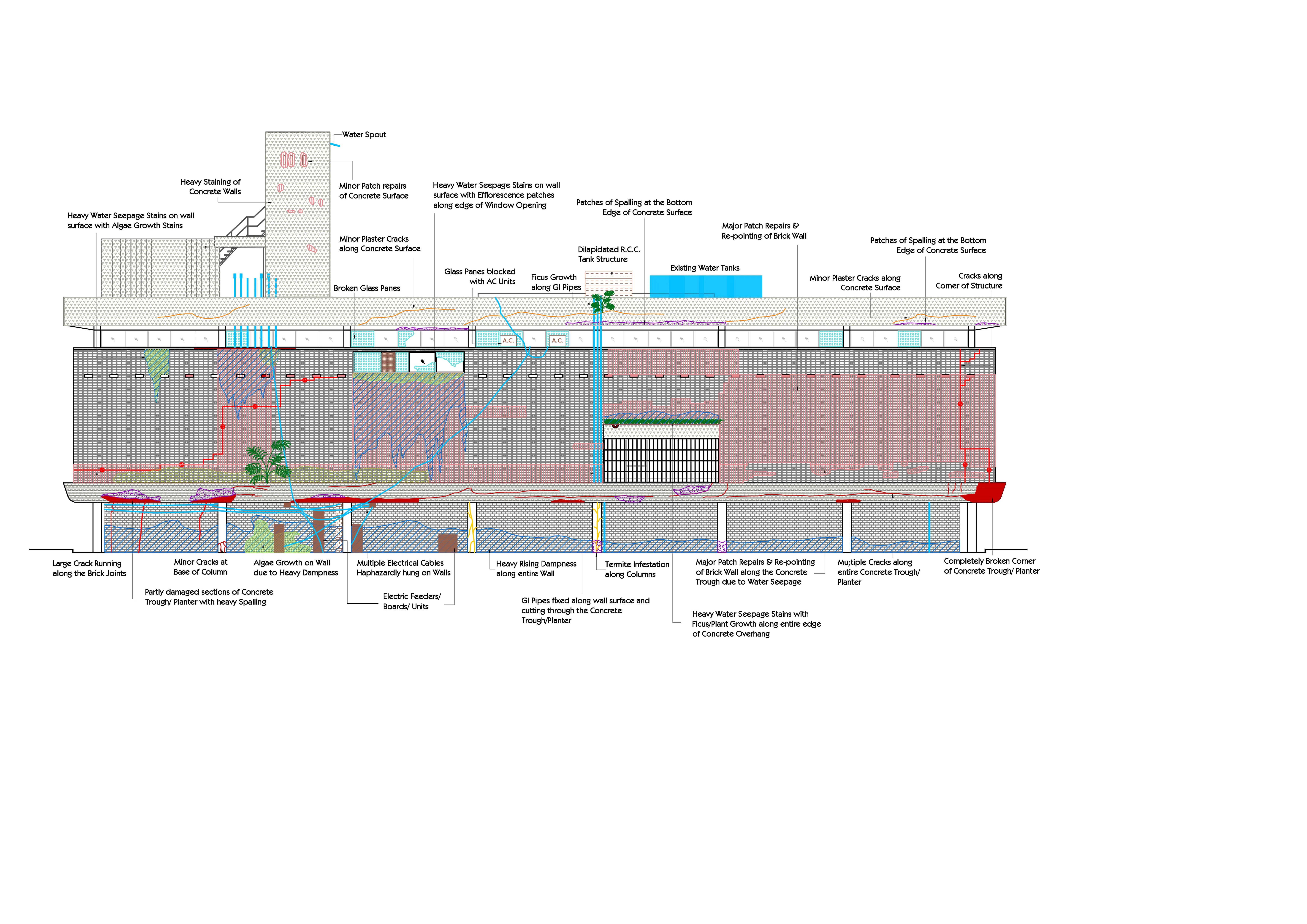
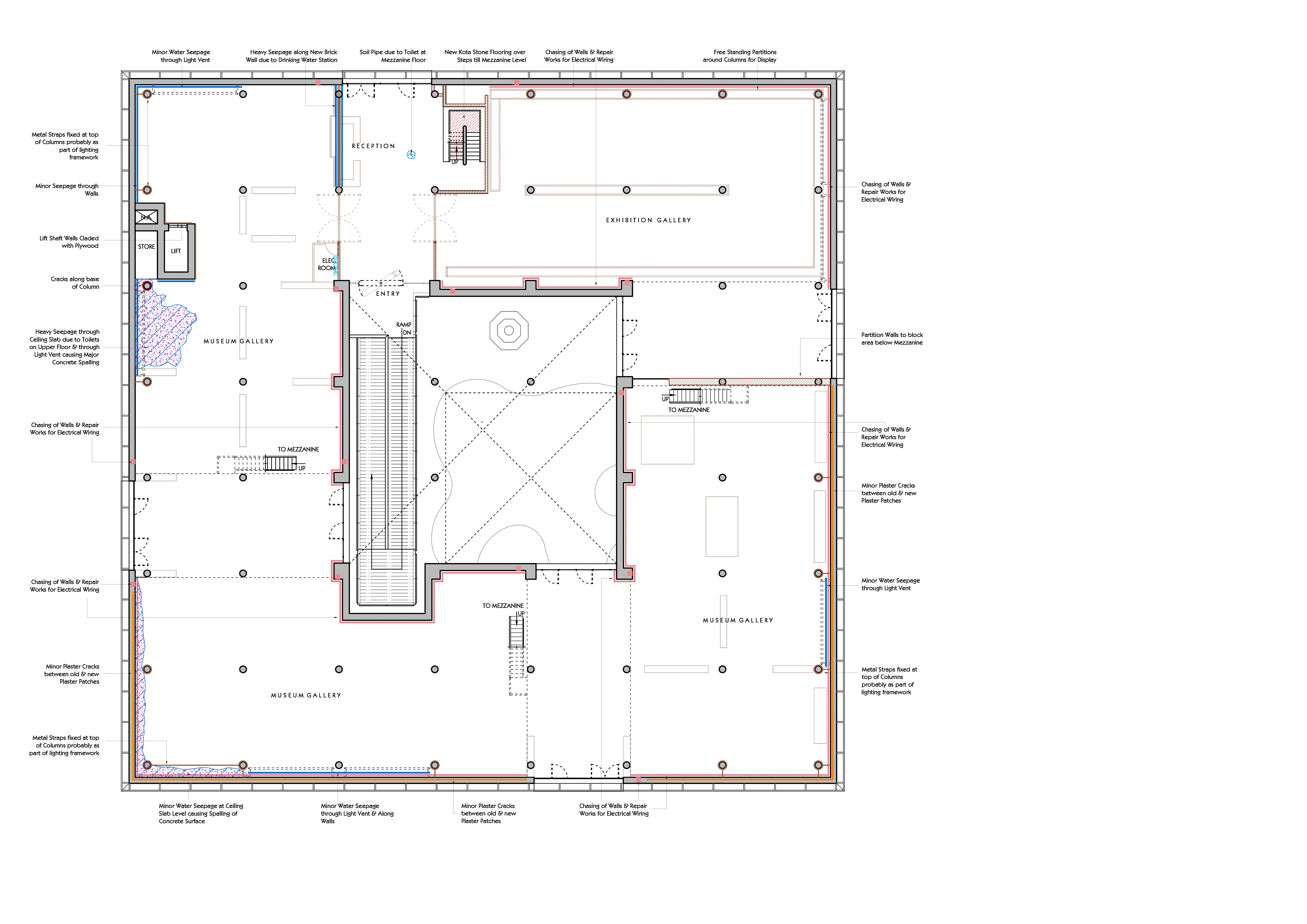
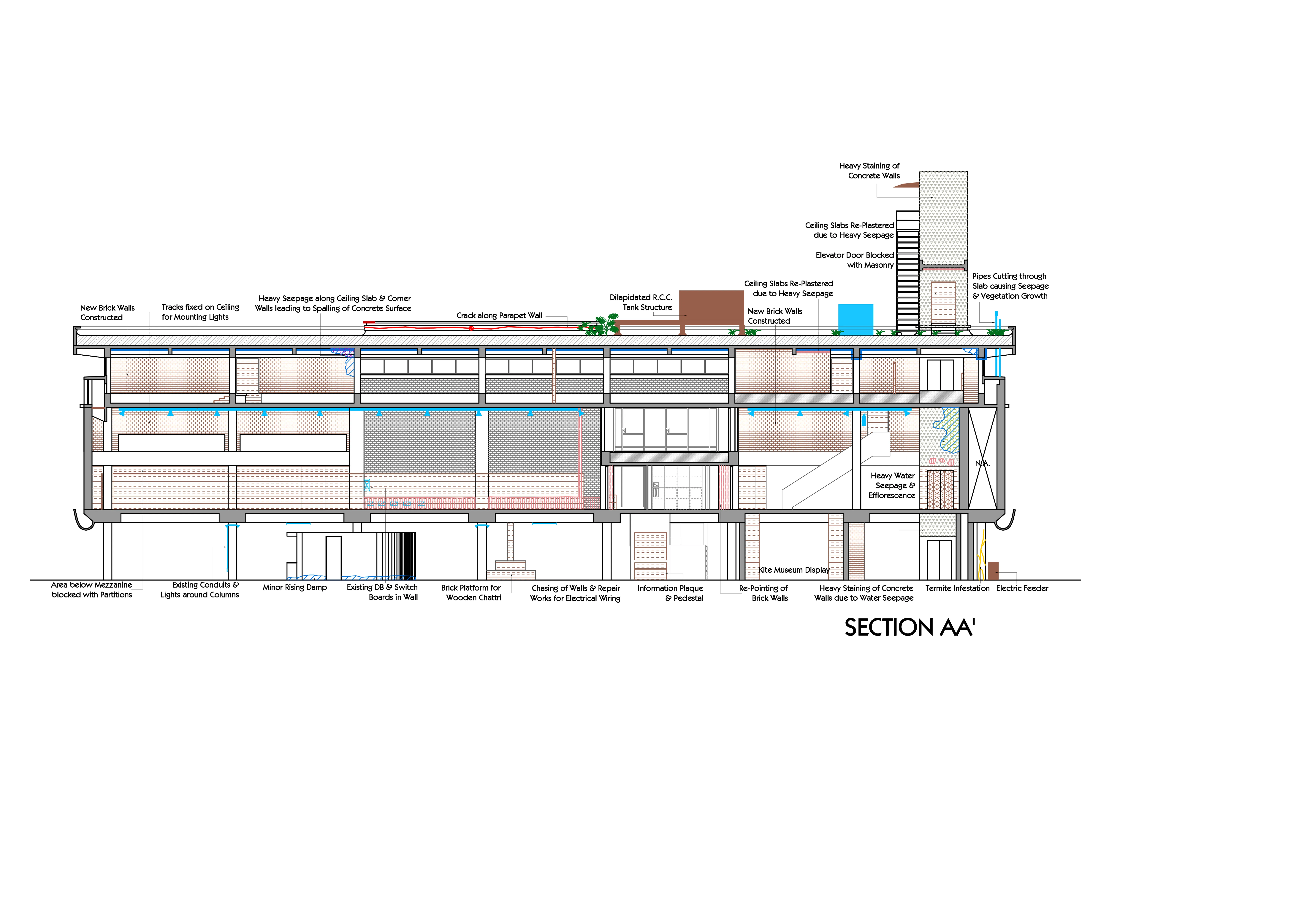
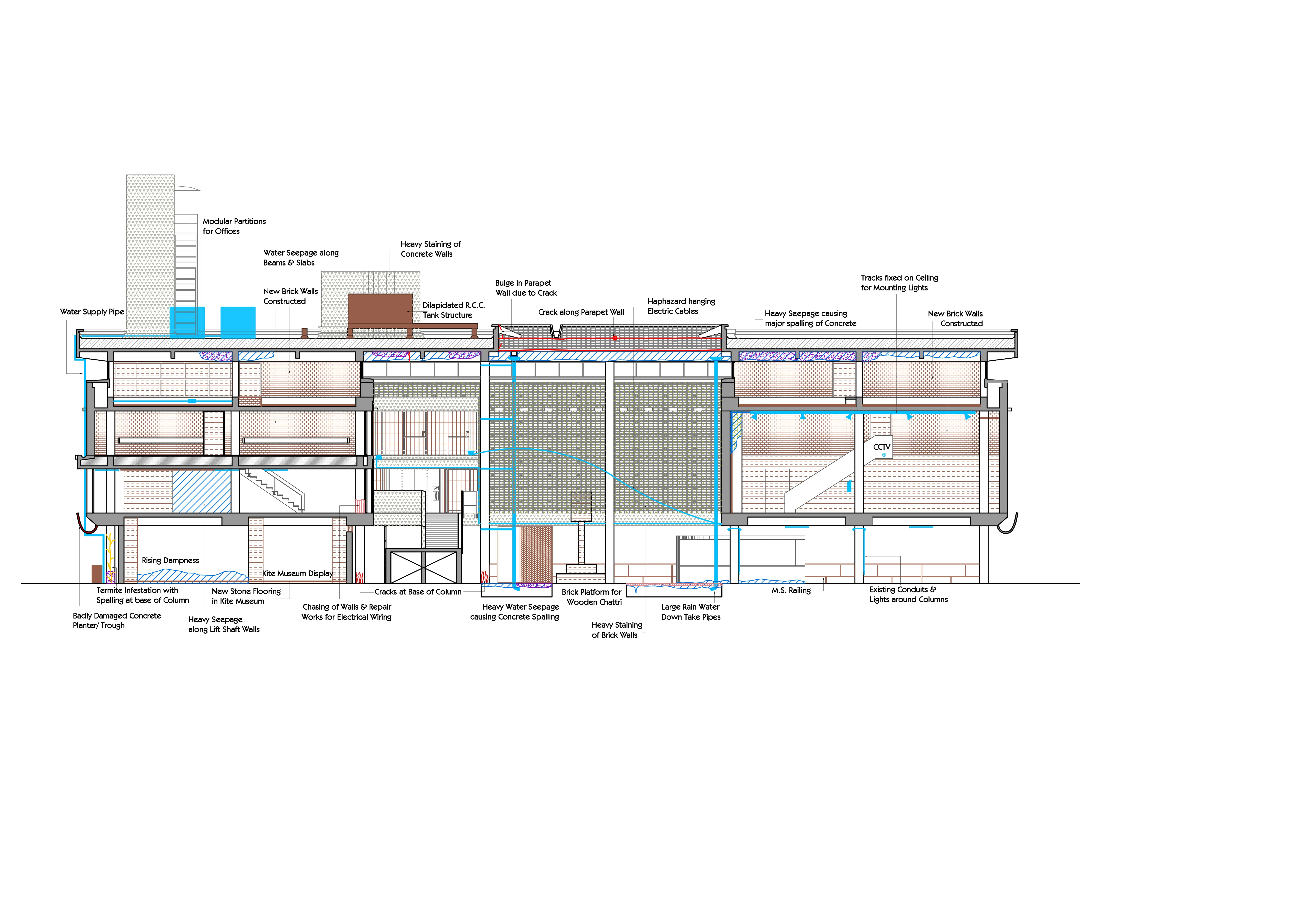
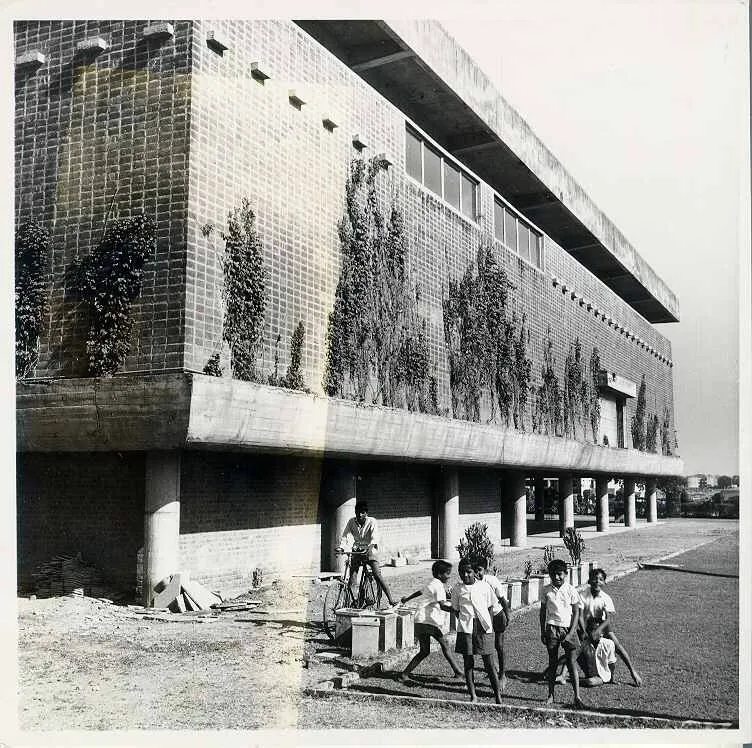
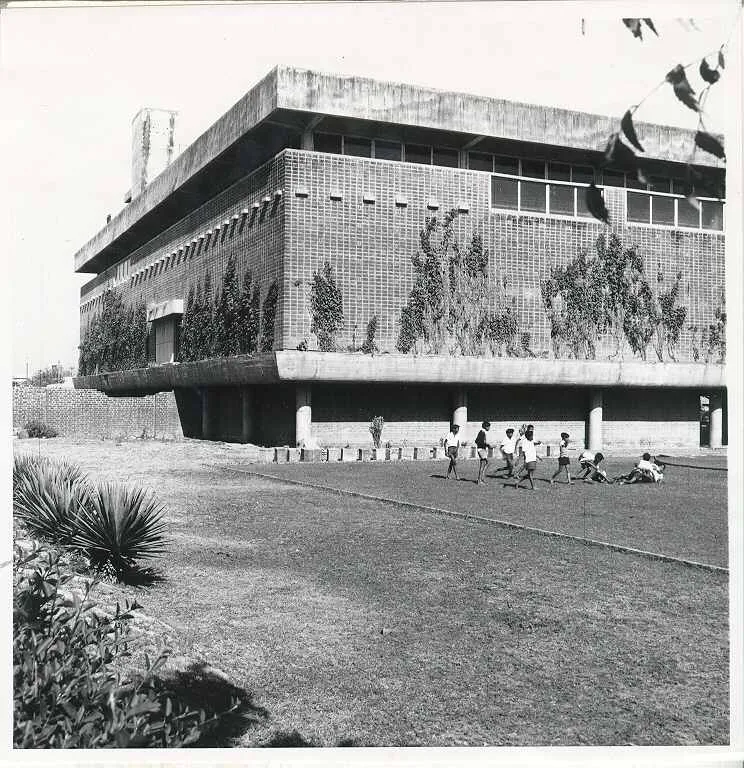
The Museum of Ahmedabad in India was commissioned the architect Charles-Edouard Jeanneret-Gris (Le Corbusier), in 1951. After a debate that had the City Council in July of that year, the museum project became the main objective to make the “heart” to the civic center.
The generative idea was the Cultural Center of a Museum “Unlimited” (Musée à croissance illimitée), formerly Le Corbusier would have projected the idea that over the years suffer changes and even add new concepts or elements.
Throughout the work of Le Corbusier we can find concepts that have evolved over time from design and construction. The concept of unlimited museum was one of those ideas that drove in two earlier projects, including: The Mundaneum, the World Museum of Geneva, Switzerland, in 1929 and the Musée à croissance de Sans lieu illimitée in 1939. However, only three projects were undertaken including the museums of Ahmedabad.
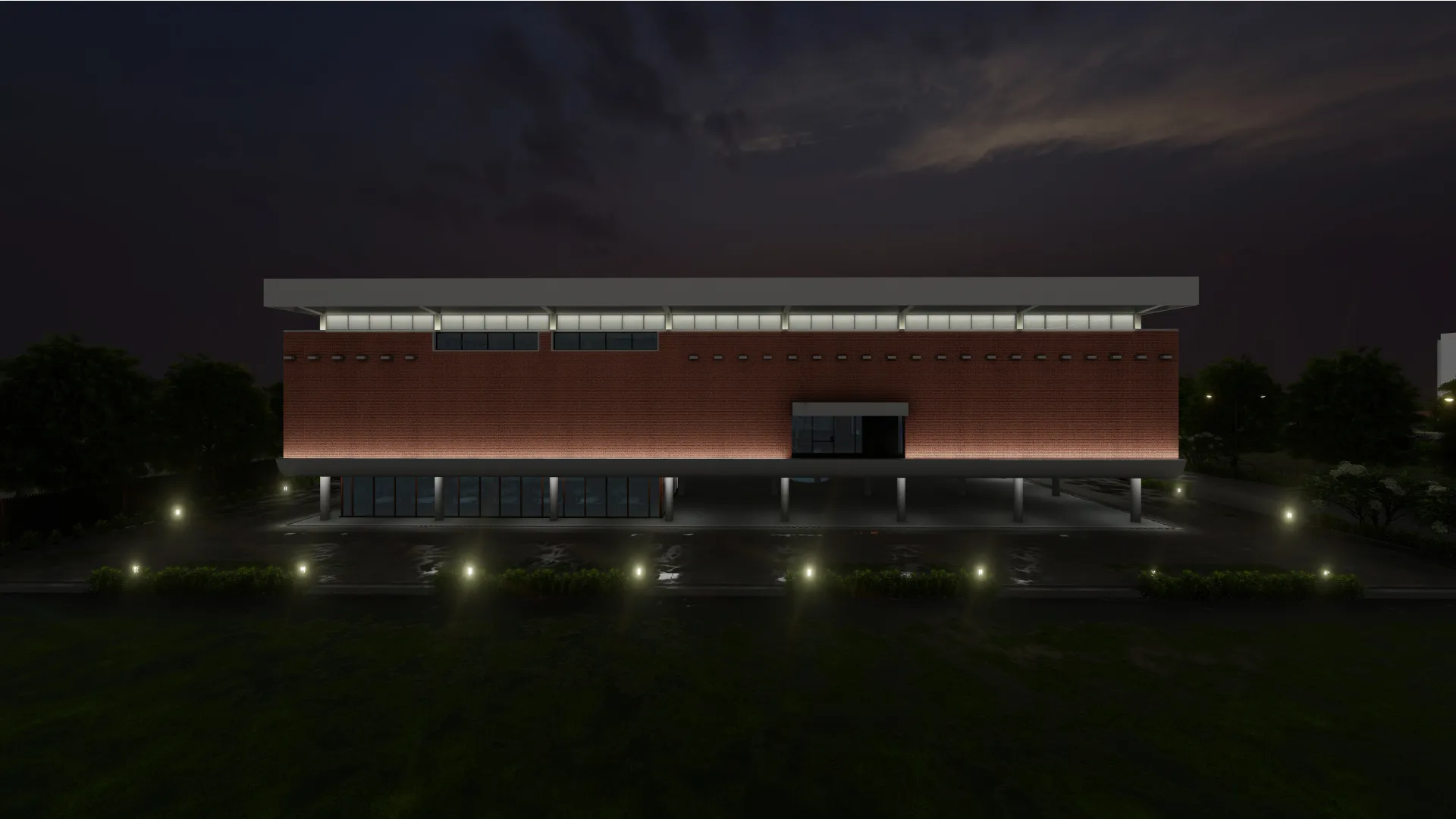
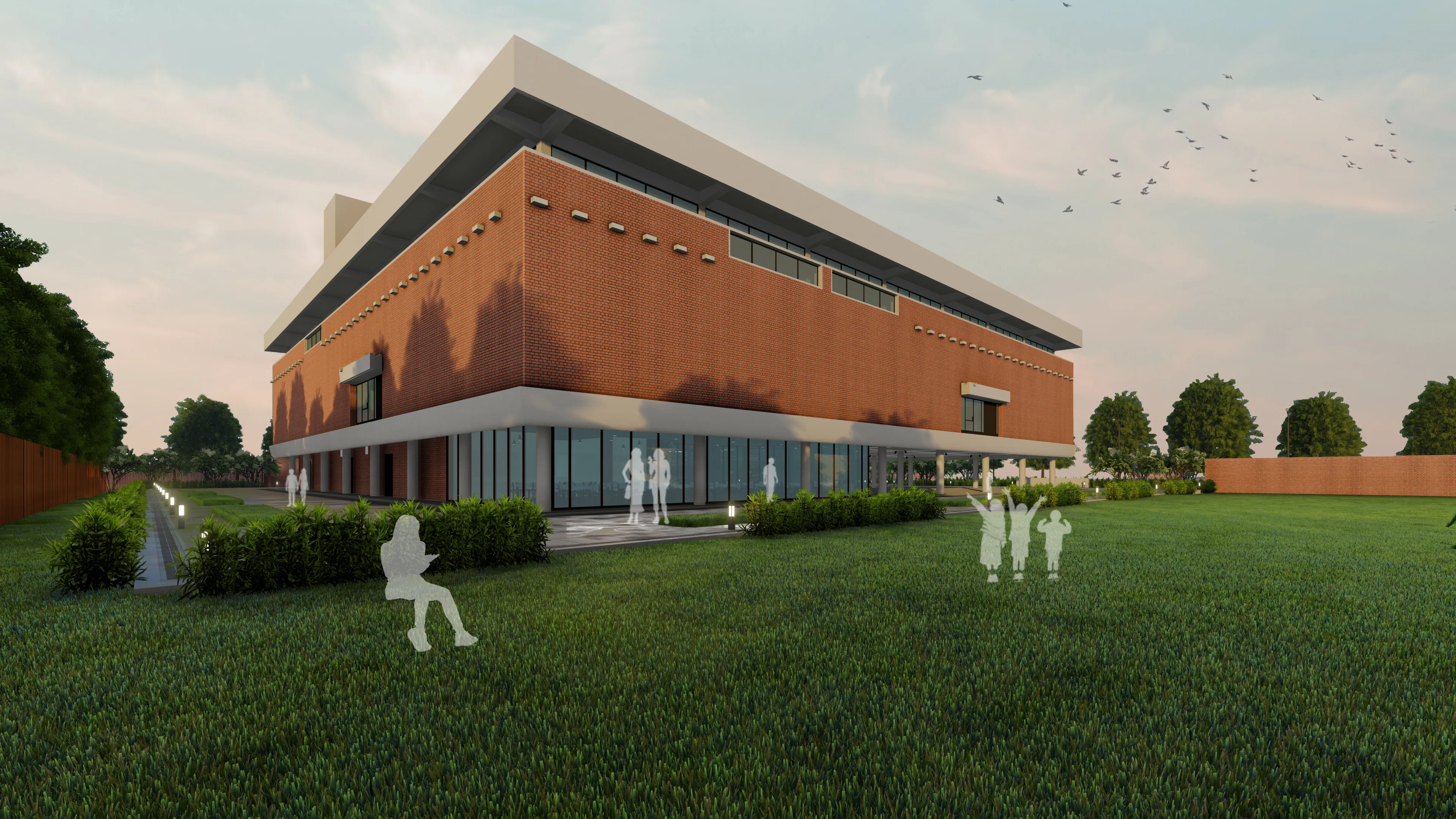
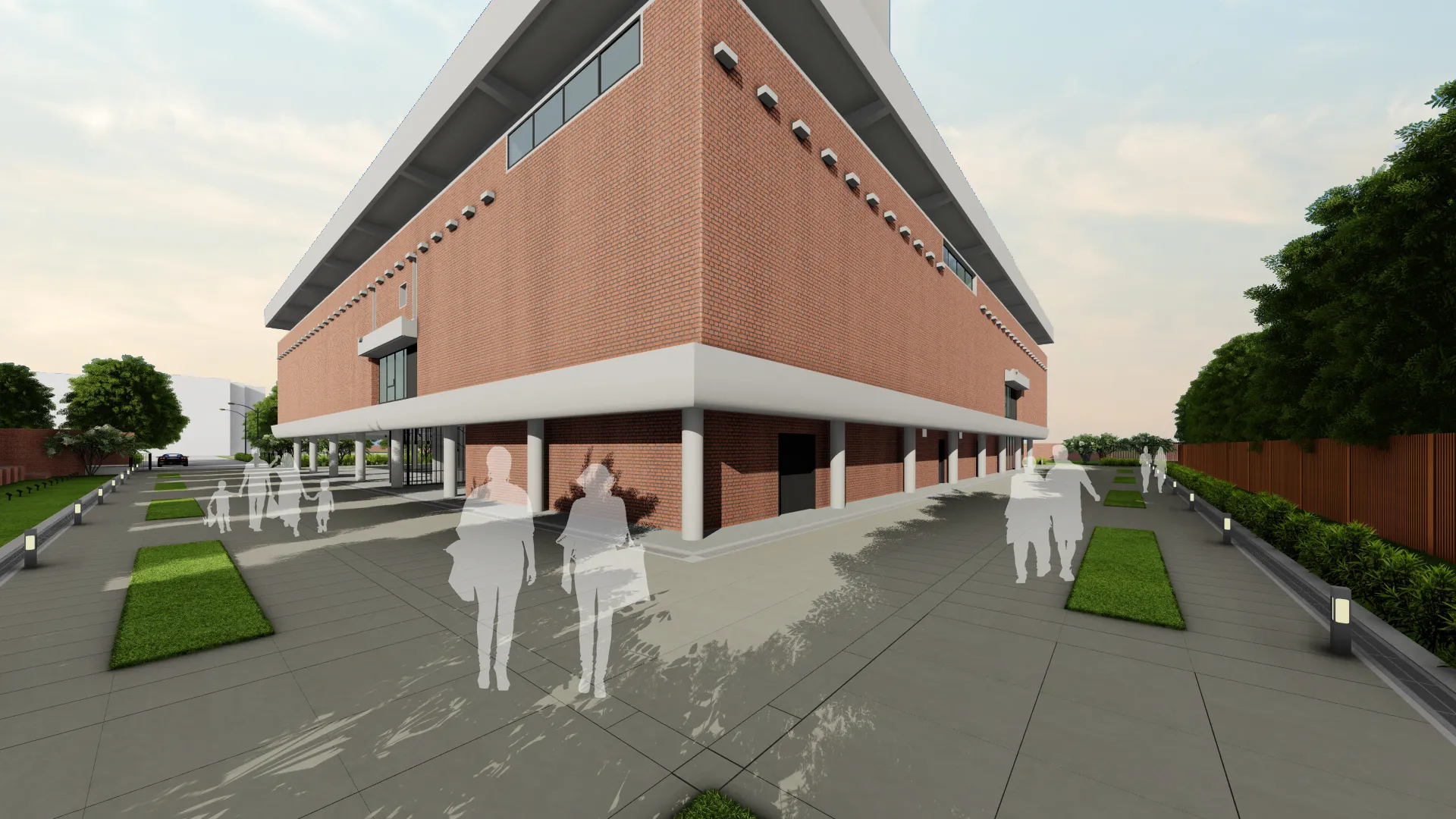
The “square spiral” remains constant, having the spaces around a courtyard and through a grid of columns that raise the level building from the ground level, the walls that project and extend outward ground floor, getting no limits in size.